
Beyond the Pink Ribbon: Breast Cancer Awareness, Prevention, and Mental Health Support
Updated: 6 days ago
Every October, communities around the world unite under the shared banner of Breast Cancer Awareness Month. Bright pink ribbons adorn lapels, storefronts, community centers, and digital platforms, serving as a gentle yet persistent reminder of a disease that touches millions of individuals and families across the globe.
But true awareness goes far deeper than a widely recognized symbol or a seasonal campaign. Breast cancer awareness involves more than screening and prevention. Learn about breast cancer risk factors, early detection, and the emotional challenges of medical uncertainty, including scanxiety, anxiety, and coping with a diagnosis.

Understanding Breast Cancer Risk Factors
When we look closely at the reality of breast cancer today, the statistics tell a compelling story of both ongoing challenge and extraordinary hope. Approximately one in eight women in the United States—roughly thirteen percent—will face an invasive breast cancer diagnosis over the course of her lifetime, making it the second most common cancer among women behind skin cancers.
Yet, behind those sobering numbers lies an empowering and transformative truth: when caught early in its localized stage before spreading outside the breast tissue, the five-year relative survival rate reaches a staggering ninety-nine percent. It is also a vital reminder that breast cancer does not affect women alone. Roughly one in eight hundred men will also receive a diagnosis in their lifetime, as everyone is born with breast tissue that can undergo cellular changes over time.
How to Reduce Your Risk of Breast Cancer
While fixed risk factors such as advancing age, dense breast tissue, and genetic predispositions—most notably inherited mutations in the BRCA1 or BRCA2 genes—play an inescapable role in individual risk profiles, modern medical research demonstrates that we are far from powerless. Science continues to illuminate clear, evidence-based lifestyle choices that actively support cellular health and help lower overall risk over time:
Maintain a Healthy Weight: Weight management throughout adulthood plays a particularly crucial role, as postmenopausal fat tissue produces elevated levels of estrogen that can stimulate cell growth in hormone-sensitive tissues.
Stay Physically Active: Regular movement acts as a robust protective barrier. Medical experts recommend at least 150 to 300 minutes of moderate-intensity activity each week, blending aerobic cardiovascular exercise with routine strength training.
Limit or Eliminate Alcohol: Reducing alcohol intake stands out as one of the single most impactful modifiable choices an individual can make, as even modest, regular consumption is consistently linked to an increased risk of breast cancer.
Adopt a Nutrient-Dense Diet: Pairing an active lifestyle with a diet rich in whole grains, leafy greens, legumes, and lean proteins helps cultivate systemic cellular resilience from the inside out.
Breast Cancer Screening and Early Detection
Translating this proactive mindset into everyday medical practice brings us to the indispensable domain of regular screening. Navigating when and how to begin can sometimes feel overwhelming given varying clinical guidelines, but clear consensus principles offer a reliable roadmap:
Establish an Early Baseline (Ages 20–39): Starting in their twenties or thirties, individuals should begin discussing their personal health history, lifestyle factors, and family background with their primary care providers to identify their personal risk profile.
Routine Mammograms (Ages 40+): For individuals at average risk, age 40 marks the standard and widely recommended turning point where annual or biennial screening mammograms become an essential component of routine preventive care.
High-Risk Protocol: Individuals with a strong family history or known genetic mutations should consult their physician about earlier screening timelines (often starting at age 30), along with supplemental MRIs.
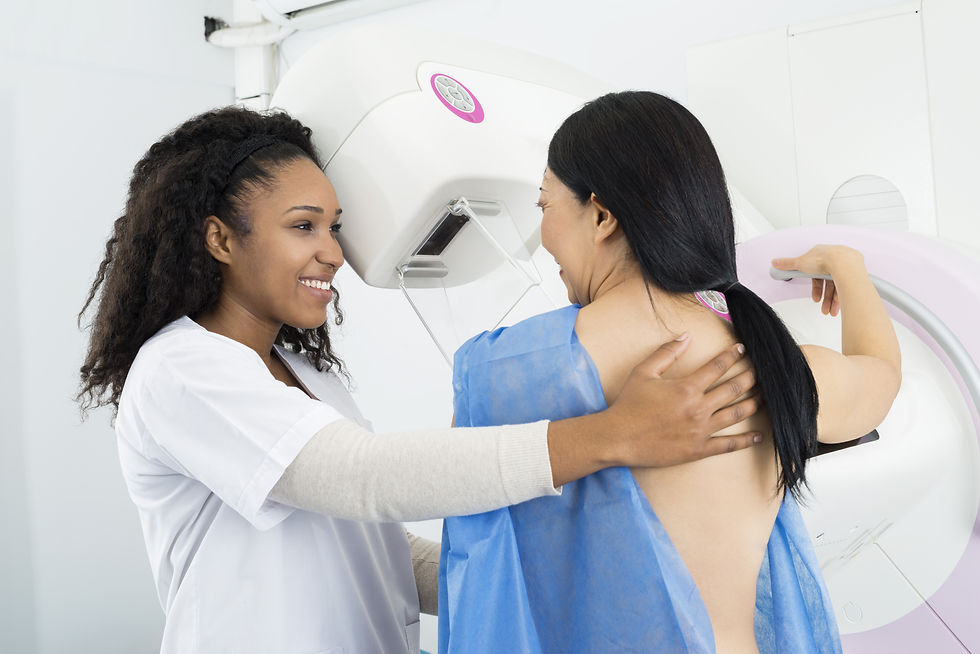
Step inside an imaging clinic, and the screening process itself is remarkably swift, structured, and safe. A standard screening mammogram utilizes low-dose X-rays to capture detailed images of breast tissue, which is briefly compressed between two specialized plates to ensure clear visualization and accurate readings. While that compression can cause brief discomfort lasting only a few seconds, the procedure is over quickly and carries minimal medical risk. Depending on an individual's specific tissue density or preliminary findings, physicians may recommend supplemental imaging, such as a gentle breast ultrasound or a detailed magnetic resonance imaging scan, to ensure a thorough and accurate evaluation.
What Is Scanxiety? Managing Anxiety During Medical Tests
Healthcare is never purely mechanical or clinical; it is deeply personal, intensely human, and emotionally complex. We rarely talk enough about the intricate psychological landscape that accompanies preventive care, particularly the widespread experience many clinical professionals and patients refer to as "scanxiety."
Sitting in a quiet waiting room, anticipating test results, or receiving an unexpected phone call requesting secondary diagnostic imaging can trigger acute spikes of worry, disrupted sleep, heightened muscular tension, and profound anxiety. It is critical to keep in mind that the vast majority of secondary callbacks turn out to be completely benign, yet the emotional weight of that temporary uncertainty remains entirely real and deserves compassionate validation.
Scanxiety can show up as:
Anxiety before a mammogram or diagnostic appointment.
Fear while waiting for test results.
Stress following a callback for additional imaging.
Difficulty sleeping or concentrating during medical uncertainty.
The Emotional Impact of a Breast Cancer Diagnosis
When screening does lead to a confirmed diagnosis, the psychological impact can feel seismic, completely altering an individual's sense of safety, routine, and predictability. Patients often navigate an intense emotional continuum that begins with initial shock, emotional numbness, and disbelief, rapidly evolving into overwhelming anxiety regarding complex treatment regimens, surgical decisions, potential physical side effects, and a sudden loss of personal control. Over time, the cumulative strain of frequent medical appointments, physical discomfort, and existential worry can evolve into clinical depression, leaving individuals feeling drained, isolated, and fearful of what lies ahead.
Recognizing this intricate mind-body connection is not an optional luxury or an afterthought; it is an essential pillar of comprehensive oncology and preventive care. Emotional healing and psychological support must encompass the patient's mental well-being just as fiercely as medical and surgical interventions target physical health. Reaching out to psycho-oncology specialists, engaging with licensed therapists trained in medical trauma, joining dedicated peer support groups, and maintaining open, honest communication with healthcare providers are vital tools that empower patients to reclaim agency, resilience, and emotional equilibrium.

Breast Cancer Screening and Support Resources
Navigating screening guidelines, financial assistance, and emotional care is easier when connected to trusted support networks. Below are leading national organizations dedicated to education, free or low-cost screenings, and mental health support:
American Cancer Society (ACS): Offers 24/7 guidance, screening locations, free rides to treatment, and lodging assistance (Call 1-800-227-2345 or visit cancer.org).
National Breast Cancer Foundation (NBCF): Provides free mammograms for uninsured individuals, patient navigation programs, and educational guides.
CDC National Breast and Cervical Cancer Early Detection Program (NBCCEDP): Offers access to low-cost or free screening and diagnostic services to low-income, uninsured, and underinsured women across the U.S.
CancerCare: Provides free professional counseling, support groups, and financial assistance led by oncology social workers (Call 1-800-813-HOPE).
Sharsheret: A national non-profit offering personalized support and mental health resources for young women and families facing breast and ovarian cancer.
CaringBridge: a free resource that helps patients, caregivers, and loved ones stay connected during a health journey. Create a private page to share updates, coordinate practical help like meals and transportation, and receive encouragement from your support network when you need it most.
As we honor Breast Cancer Awareness Month, let us pledge to look well beyond the surface aesthetics of the pink ribbon. By equipping ourselves and our communities with accurate knowledge, embracing evidence-based preventive habits, prioritizing routine screening appointments, and holding compassionate space for the emotional challenges along the way, we foster a culture of holistic health, early detection, and unwavering support for every individual on this journey.
Why Breast Cancer Awareness Includes Your Mental Health
Taking care of your mental health is an important part of caring for yourself through preventive screenings, medical testing, and cancer treatment.
Anxiety, fear, and uncertainty can affect sleep, concentration, relationships, and everyday routines—which can lower your baseline and make it harder for your body to fight back. Working with a mental health professional can help you process these emotions, develop coping strategies, and feel more supported as you navigate your healthcare journey.
Whether you're experiencing anxiety around medical testing, struggling with uncertainty, or adjusting to a difficult health experience, support is available. Your mental health deserves attention alongside your physical health.
At Purple Couch Therapy, I take a personalized approach to understanding your symptoms and helping you develop strategies that support your emotional well-being. If you're ready to explore whether working together is right for you, I invite you to schedule a free consultation.

Ask JJ: FAQs About Breast Cancer Awareness, Prevention, and Mental Health Support
Hi, I'm JJ, an integrative psychiatric nurse practitioner. I take a non-judgmental, integrative approach that blends psychiatric care with lab testing, lifestyle coaching, nutritional support, and psychotherapy to help people feel more in control of their lives and futures.
What can I do to reduce my risk of breast cancer?
Maintaining an active lifestyle, limiting alcohol consumption, and discussing your personal and family medical history with your healthcare provider can help you understand and manage your breast cancer risk. Although no approach guarantees prevention, certain lifestyle choices and medical interventions may reduce risk.
When should I start getting mammograms?
For people at average risk, the U.S. Preventive Services Task Force recommends screening mammograms every two years between ages 40 and 74. Your healthcare provider may recommend a different screening schedule if you have additional risk factors.
What are the common risk factors for breast cancer?
Breast cancer risk factors include increasing age, certain inherited genetic changes, family history, dense breast tissue, and some hormonal and reproductive factors. Having a risk factor does not mean you will develop breast cancer, and people without known risk factors can still receive a diagnosis.
What is scanxiety?
Scanxiety describes the anxiety, fear, or uncertainty someone may experience before, during, or after medical screenings and diagnostic tests while waiting for results. These feelings are common, and coping strategies or professional mental health support may help make the experience more manageable.
Can stress cause breast cancer?
Research has not established a direct causal relationship between everyday psychological stress and breast cancer. However, chronic stress can affect emotional well-being, sleep, and daily functioning, making stress management an important part of overall health.
How can I manage anxiety while waiting for test results?
Maintaining your regular routines, practicing relaxation techniques, limiting unhelpful online searching, and reaching out to trusted people can help you cope with uncertainty. If anxiety significantly interferes with daily life, consider speaking with a mental health professional.
How can a breast cancer diagnosis affect mental health?
A breast cancer diagnosis can bring fear, sadness, anxiety, uncertainty, and changes in relationships or daily routines. Emotional support from loved ones, support groups, and qualified mental health professionals can help people navigate these challenges.
Can psychotherapy help with anxiety related to breast cancer?
Yes, psychotherapy can help people process difficult emotions, manage health-related anxiety, and develop coping strategies during screening, diagnosis, or treatment. Mental health support can complement medical care but does not replace guidance from an oncology or primary care team.
Why is mental health important during breast cancer awareness?
Breast cancer awareness includes recognizing the emotional challenges that can accompany screening, medical uncertainty, diagnosis, and treatment. Supporting mental health alongside physical health can help people feel more equipped to navigate these experiences.


Comments